

What are the future research recommendations from the paper “Applications of the Internet of Things for optimizing warehousing and logistics operations: A systematic literature review and future research directions.”
May 5, 2023How to Prepare a Manuscript for Publication?
May 9, 2023What are the Criteria for a Good Peer Reviewer?
Peer review is crucial in academic publications since it validates the work of authors of research papers and provides readers with reliable, high-quality material. Despite significant reservations regarding its use, peer review remains the most widely used way of evaluating scientific articles. The reviewers are at the heart of this process, reading the articles critically before publication and recommending whether the results should be accepted, altered, or rejected.
Introduction
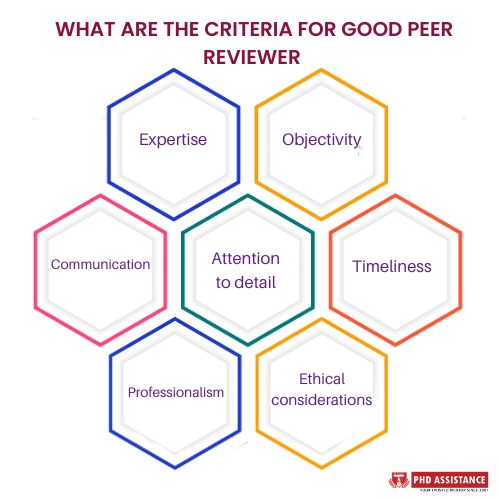
A good peer reviewer should possess the following criteria:
- Expertise: A good peer reviewer should have the necessary expertise and knowledge in the manuscript’s subject area.
- Objectivity: A good peer reviewer should be objective and impartial in evaluating the manuscript, regardless of personal biases or conflicts of interest.
- Communication: A good peer reviewer should be able to provide clear and constructive feedback to the authors, including suggestions for improvement.
- Attention to detail: A good peer reviewer should have a keen eye for detail and be able to identify any errors or inconsistencies in the manuscript.
- Timeliness: A good peer reviewer should be able to complete the review process within the specified timeframe to ensure that the publication process is not delayed.
- Professionalism: Good peer reviewers should conduct themselves professionally and maintain confidentiality throughout the review process.
- Ethical considerations: A good peer reviewer should adhere to ethical guidelines and ensure the reviewed manuscript meets the necessary ethical standards.
Overall, a good peer reviewer should be knowledgeable, objective, communicative, detail-oriented, timely, professional, and ethical.
Characteristics of a Good Review
When you accept a reviewing task, you take on much responsibility. The quality of your report has a significant impact on the quality of the dissertation peer review process. Because each manuscript is unique, each referee report should be as well. On the other hand, an excellent review has at least two characteristics.
The first is fairness and courtesy. Even if the work is poor, professional referees always retain a cheerful and constructive tone and never make personal judgments about the writers. The second item to consider is completeness and clarity. Authors and editors want reviewers to provide constructive criticism and examples and ideas on enhancing the work.
PhD Assistance
PhD Assistance is committed to providing quality paper peer review services in line with your requirements. We study the items from your perspective and communicate your feelings about them while staying polite and genuine. It is helpful to seek the advice of our professionals since they have access to all important sources and understand the criteria for journal papers.
References
Dhillon, Paraminder. “How to be a good peer reviewer of scientific manuscripts.” The FEBS journal 288.9 (2021): 2750-2756.
