

Economics & Finance


It’s all about numbers in quantitative research. It employs data and statistical analysis to illuminate key information about your company and market. This type of information, obtained through methods such as multiple-choice questionnaires, can assist you in gauging interest in your firm and its products.
Qualitative research isn’t about data as much as it is about people – and their perspectives on your company. Qualitative research may help you clarify problems and learn about customers’ perspectives, attitudes, and beliefs by asking questions one-on-one or to groups of individuals. Because qualitative research uses lower sample sizes than quantitative research, it can’t be used to forecast future performance; instead, it provides anecdotal insight into your company.
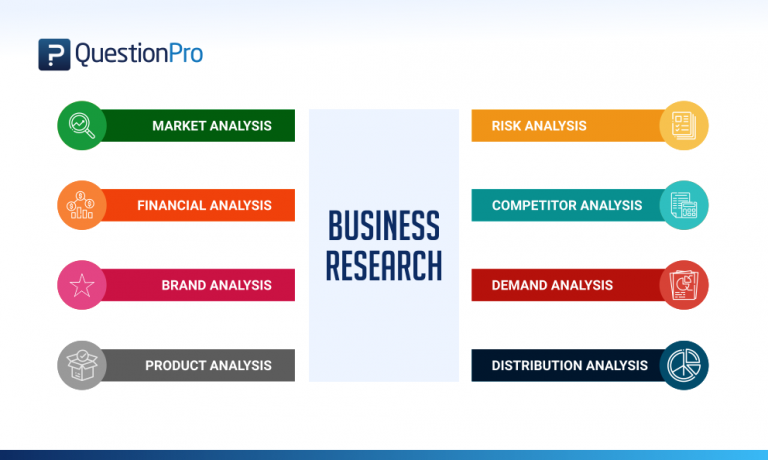
Fig.1. Qualitative Business Research (QuestionPro.com)
In the management and business literature, qualitative comparative analysis (QCA) is becoming increasingly popular. QCA is a method that consists of a set of analytical procedures as well as a conceptual perspective, and its origins as an analytical methodology are not found in management or business literature. A systematic, comparative technique was established by Charles Ragin, a sociologist and political scientist, in the 1980s as an alternative to qualitative, case-oriented techniques and quantitative, variable-oriented techniques. While the analytical technique of QCA was developed outside of the management literature, the conceptual perspective that underpins it has a long history in the management literature, most notably in the form of contingency and configurational theory, both of which have played important roles in management theories.